
What Is Docker? A Complete Introduction to Docker
What Is Docker? A Complete Introduction to Docker
What Is Docker? A Complete Introduction to Docker
Introduction
Docker is a revolutionary platform in the world of software development and deployment. If you're new to containerization or just need a clear explanation, this article breaks down what Docker is, why it’s significant, how it works, and how to get started.
What Is Docker?
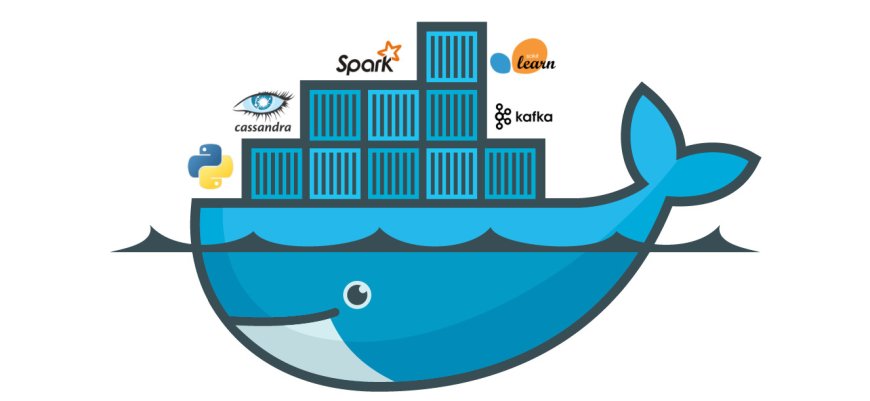
Docker is an open-source platform that simplifies the process of building, packaging, and running applications within isolated, portable units called containers. Unlike traditional virtualization, Docker uses operating-system-level virtualization—making containers lightweight and efficient.
Why Use Docker?
-
Portability — Every component your app needs—code, libraries, and dependencies—is packaged into a container, ensuring consistent execution across different systems.
-
Resource Efficiency — Containers share the host OS kernel and are drastically lighter than virtual machines, consuming fewer resources while booting almost instantly.
-
Isolation & Compatibility — Isolation ensures that containerized applications don’t interfere with each other, smoothing development, testing, and deployment workflows.
-
Speed & Consistency — Containers start quickly and behave the same way on any system, from a developer’s laptop to production servers, minimizing “it works on my machine” issues.
Core Components of Docker
| Component | Description |
|---|---|
| Docker Engine | The core software that enables building and running containers. |
| Docker Images | Immutable templates that contain everything needed to run an application. |
| Docker Containers | Running instances derived from images. |
| Dockerfile | A declarative script used to define how an image is built. |
| Docker Registries | Repositories (like Docker Hub) for storing and sharing images. |
| Docker Compose | A tool to manage multi-container applications using a YAML file. |
How Docker Works
-
Create a Dockerfile that outlines steps to build your app image.
-
Run
docker buildto compile the image. -
Use
docker runto start a container from that image. -
Push or pull images to and from a registry like Docker Hub, enabling easy distribution and version control.
Benefits & Limitations
Benefits:
-
Accelerates development and deployment cycles.
-
Optimizes resource usage through lightweight isolation.
-
Ensures environment consistency across development, testing, and production.
Limitations:
-
Containers share the host’s OS kernel—so you cannot mix Windows and Linux containers on the same host.
-
There can be OS compatibility considerations, particularly on non-native platforms like macOS.
What's Your Reaction?
 Like
0
Like
0
 Dislike
0
Dislike
0
 Love
0
Love
0
 Funny
0
Funny
0
 Wow
0
Wow
0
 Sad
0
Sad
0
 Angry
0
Angry
0